Gluco Cleanse Tea and the Growing Interest in Herbal Metabolic Support
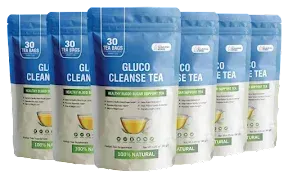
The supplement industry has seen growing interest in herbal products positioned around metabolic wellness.
While many supplements come as capsules or powders, Gluco Cleanse Tea takes a more traditional format: brewed herbal tea.
The formula contains 19 herbs and plant ingredients, including cinnamon, fenugreek, gymnema sylvestre, bitter melon, white mulberry, banaba, turmeric, ginger, green tea and oolong tea.
A Multi-Ingredient Approach
Rather than relying on one herb, Gluco Cleanse Tea combines ingredients associated with several different nutritional pathways.
Fenugreek and white mulberry, for example, are often discussed in relation to carbohydrate digestion.
Cinnamon and gymnema have been researched for their potential relationship with insulin sensitivity and glucose metabolism.
Green and oolong tea provide antioxidant compounds, while ginger and turmeric add additional plant-based components.
Evidence Needs Context
This is where supplement research becomes important.
Research showing that an individual herb has a biological effect doesn't automatically prove that every commercial product containing that herb will produce meaningful results.
Dose, preparation, individual health and overall diet all matter.
The current Gluco Cleanse Tea information site acknowledges that evidence for many ingredients is modest or mixed and that the complete finished tea hasn't undergone its own clinical trial.
A Supportive Role, Not a Treatment
For people interested in herbal wellness products, Gluco Cleanse Tea may be worth researching as a dietary supplement.
But it shouldn't be marketed or understood as something capable of curing diabetes or replacing prescribed treatment.
Healthy eating, exercise, maintaining an appropriate weight and professional medical care remain the foundations of blood-sugar management.
To explore the complete Gluco Cleanse Tea formula: